
KINBoat Anne Frank Rijksmuseum Tour
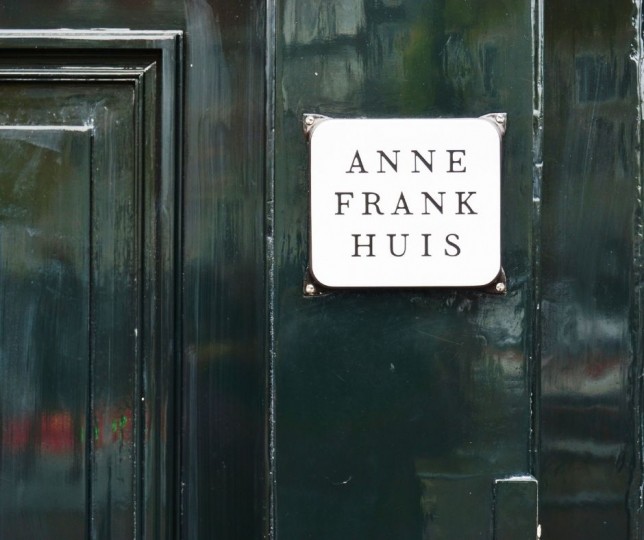
Anne Frank House
The Anne Frank House is where Anne Frank wrote her famous diary while hiding from the Nazis during World War II. The secret annex where she lived has since become a museum, attracting visitors from around the world who seek to learn about her life and the history of the Holocaust.

De Wester
The Westerkerk was completed in 1631 and is known for its impressive tower, which stands at 85 meters tall and offers a panoramic view of the city.

The Canal Ring
The VOC (Dutch East India Company) was a trading company that played a major role in Amsterdam’s Golden Age, and the canal ring is a unique system of concentric canals from the 17th century that was built during Amsterdam’s largest expansion. These two elements are closely connected because the wealth from VOC trade directly contributed to the construction and development of the canal ring, where rich merchants built their impressive houses.

High and dry
The VOC primarily traded in spices and other valuable goods from Asia, which were stored in the warehouses of merchant houses along Amsterdam’s canals. These warehouses were specially designed with large attics and hoisting beams on their facades to store the precious trade goods ‘high and dry’.

The Houseboat Museum
Houseboats have been a significant part of the city’s culture since the 16th century, originally serving as a solution to the housing shortage due to the rapid population growth and the city’s unique geography.

Spiegelkwartier
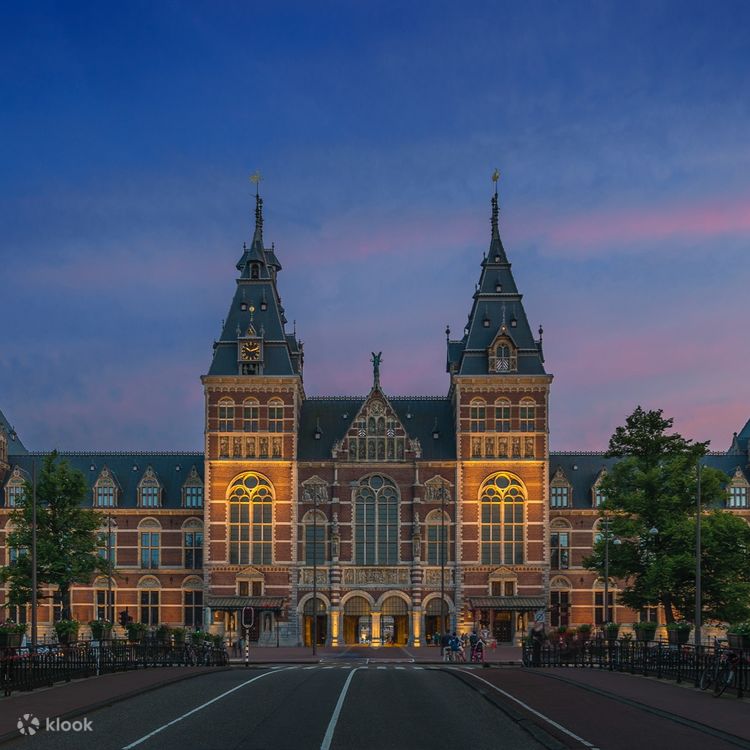
Rijksmuseum
The Rijksmuseum, was founded in 1800 and is renowned for its collection of Dutch Golden Age paintings, including works by Rembrandt and Vermeer.

Rembrandt van Rijn: The Night Watch,, 1642, oil on canvas, 12 by 15 feet.
Night Watch
Without a doubt, Night Watch,by Dutch Golden Age painter Rembrandt Harmenszoon van Rijn (1606–1669), is the heart of the Rijksmuseum. Not only is it the museum’s largest and most important work, but the entire collection is literally built around it, with the Night Watch Gallery at the core of the museum opening into the Gallery of Honor. This enormous, true-to-life-size painting is famed for its dramatic play of light and shadow as well for being an innovative portrayal of a group in motion rather than a static military scene.

Van Gogh Museum
The Van Gogh Museum houses the largest collection of Vincent van Gogh’s paintings and drawings, showcasing over 200 paintings and 500 drawings by the artist.

Paradiso
Paradiso in Amsterdam is also known as a temple of pop music. When asked which famous bands have ever performed at Paradiso, there’s only one answer possible: which bands haven’t performed there? UB40, David Bowie, Nirvana, The Police, Metallica, Prince, Red Hot Chili Peppers, and the Rolling Stones. All these bands and artists have performed at Paradiso at some point.

Casino
Holland Casino Amsterdam opened its doors in 1976 and is the first official casino in the Netherlands, established to regulate and supervise gaming activities in the country.

The Vondelpark
The Vondelpark, opened in 1865, was named after Dutch playwright Joost van den Vondel. The park features an authentic Pablo Picasso sculpture “in the wild.” Picasso donated this statue to the city to affirm his good friendship with Willem Sandberg, the former director of the Stedelijk Museum.

Singelgracht
The Singelgracht was the outermost canal of Amsterdam, where a series of bulwarks (defensive structures) were located that were part of the city walls. These fortifications formed an important part of Amsterdam’s historical city defense.

Facade stones
These facade stones served as orientation points for the seventeenth-century residents of the Dutch city. The small artistic works showed where the baker sold his breads and where you could go for shoe repairs.

De Herengracht
We are now sailing on the Herengracht. Part of the prestigious expansion plan of the city from the early Seventeenth Century. This part is the second part running from the Leidsegracht to the Amstel, and here you mainly see very large buildings. The city council only issued large plots of land for this part – they wanted to concentrate the rich patricians here. This was wealth because taxes were paid based on the width of the house and the number of windows. Even a double staircase was taxed extra.

Proeverij Van Wees
At this former distillery, you can enjoy traditional jenever (Dutch gin—older and better!), beer, and their famous fondue or bitterballen. The Nine Streets area offers a cozy atmosphere with its lively mix of tourists and locals.

Huis Bartolotti
The Bartolotti House was built around 1617 for Willem van den Heuvel tot Beichlingen, one of the wealthiest Amsterdammers of that time, who had inherited a substantial fortune from a childless uncle by marriage, Giovanni Battista Bartolotti, a merchant from Bologna.

Thank you for touring with us
Enjoyed the tour? I would really appreciate it if you leave a positive *****review at google or Tripadvisor.